

Key Takeaways
- Reviewing your credit score and financial health is the first step toward homeownership.
- Budgeting carefully helps determine a realistic home price range.
- Saving for a down payment and closing costs is essential for a smooth purchase.
- Mortgage pre-approval strengthens your position in competitive housing markets.
- Defining must-have features helps focus your home search.
- Working with a real estate agent provides expert guidance and support with negotiations.
- Home inspections reveal potential issues before finalizing a purchase.
- Securing financing and completing a final walkthrough prepare you for closing.
- Careful preparation and informed decisions lead to a successful first home purchase.
Assess Your Financial Health
Starting the journey to homeownership means first checking your financial foundation. Strong financial health will make the process smoother and can open the door to better mortgage options. Begin by reviewing your credit score. Lenders rely on this number to determine your mortgage eligibility and interest rate. If your score needs improvement, focus on paying down debts and resist opening new lines of credit. Budgeting is equally important. Analyze your income and expenses to set a price range that reflects your comfort level. These early steps are especially valuable when navigating competitive markets such as real estate Lake Forest, CA, where preparation and financial readiness can make a significant difference when pursuing the right property.
Evaluating your finances now can save stress later. Smart organization, such as creating a spreadsheet of monthly expenses and potential future costs, helps you make better decisions when you begin hunting for homes. Many experts recommend paying down high-interest debts and reducing monthly obligations to improve your debt-to-income ratio, which lenders use as a key measure of financial stability.
Save for a Down Payment and Other Costs
The next step is building your savings. While a 20% down payment is traditionally expected to avoid paying private mortgage insurance (PMI), first-time buyers often put down less. The national average down payment for new buyers is roughly 8%. However, this number will vary depending on your loan type and housing market. Do not overlook closing costs, usually about 2% to 5% of the home’s price, nor expenses such as moving, inspections, or immediate home repairs. Creating a dedicated savings plan for these costs can make your transition from renter to homeowner significantly easier.
Consider using online calculators to visualize your savings goals.
Get Pre-Approved for a Mortgage
A mortgage pre-approval letter sets you apart in a competitive market. This letter signals to sellers that you are a committed and qualified buyer. Pre-approval means a lender has assessed your credit and finances and outlined the loan amount they are likely to grant. Remember, this number should be viewed as a ceiling; stick to your budget and avoid stretching for a home at the very tip of your loan range. Early pre-approval also helps you spot any potential credit issues before you get too far into your search. The documentation needed includes tax returns, W-2s, pay stubs, and recent bank statements.
Define Your Home Preferences
Identify your ideal home by listing your essentials and nice-to-have features. Start with the critical categories, such as location, required square footage, school district, bedroom and bathroom count, and any accessibility needs. Prioritize these must-haves and note which items you can be flexible on, as it is unlikely every property will meet your entire wish list. Keeping a clear sense of these preferences will streamline the decision process during house hunting and prevent buyer’s remorse.
Partner with a Real Estate Agent
Teaming up with a skilled agent brings both peace of mind and practical benefits. Local agents understand market nuances and can guide you through negotiations, legal documents, and offer strategies. They will share market analyses to help you determine fair value and ensure you do not overlook hidden costs or opportunities.
Begin House Hunting
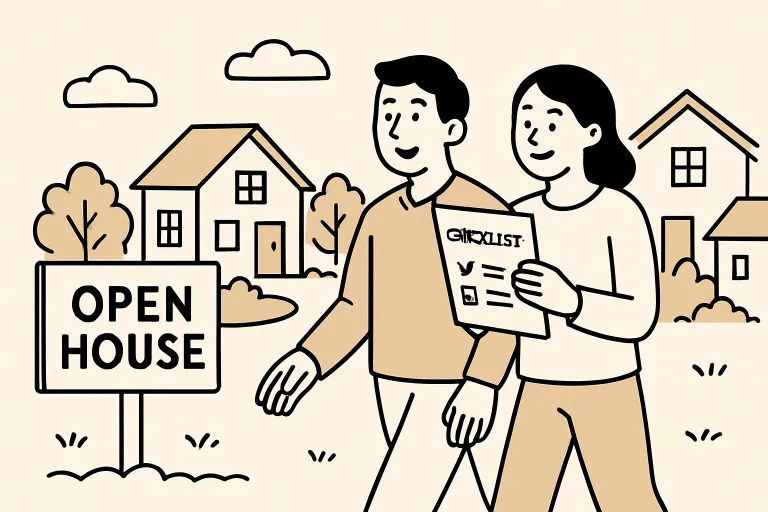
With your agent’s assistance, start searching for homes that meet your criteria. Visit open houses, schedule private showings, and keep notes plus photos of each property. Take your time during this stage. The right home should feel like not just a financial investment but a place where you can see yourself living for years. Prepare to adapt your expectations as you learn more about what is available within your budget.
Make an Offer and Negotiate
Once you find a desirable home, work with your agent to develop a strategic and competitive offer. Use recent comparable sales (comps) to determine an appropriate amount. Be ready for negotiations, especially if other buyers are interested or your initial offer is below the asking price. Your agent’s negotiation skills will be invaluable at this stage to help you secure the property on favorable terms.
Conduct a Home Inspection
Schedule a professional inspection right after your offer is accepted. This thorough check will reveal the home’s true condition and alert you to potential problems, including outdated electrical systems and hidden structural damage. Depending on the results, you may negotiate further repairs, credits, or even reconsider your purchase if major issues arise.
Secure Financing and Prepare for Closing
Lock in your mortgage now that the inspection is complete. Lenders will review your documents again and finalize loan details. Review everything thoroughly and do not hesitate to ask questions about terms, fees, and your payment schedule. Just before closing, conduct a final walkthrough to ensure the property is as promised and that requested repairs have been completed.
Close the Deal
On closing day, you will sign several legal documents to transfer ownership and pay closing costs. These fees cover services such as the title search, attorney’s fee, and homeowner’s insurance. The process can take a few hours, so plan accordingly and double-check all paperwork before completing your purchase. Once done, you will receive the keys to your new home and can officially begin the next chapter of your life.
Buying a first home is a complex but rewarding process. With the right preparation, guidance, and clear priorities, you can enter the housing market with confidence and find a property that suits your needs and budget for years to come.