
Key Takeaways
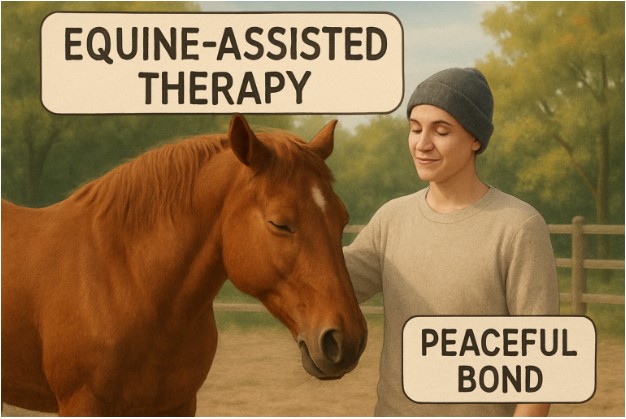
- Equine-assisted therapy utilizes the unique bond between humans and horses to support emotional, social, and physical health.
- It offers significant benefits for individuals with anxiety, trauma, PTSD, and those seeking personal development.
- Programs should be carefully selected for both quality and accessibility, given the variable standards and costs.
- Emerging scientific studies and success stories support this therapeutic approach.
Table of Contents
- Introduction to Equine-Assisted Therapy
- Emotional and Psychological Benefits
- Social Skills Development
- Physical Health Improvements
- Applications for Specific Populations
- Considerations and Accessibility
- Final Thoughts
Introduction to Equine-Assisted Therapy
Equine-assisted therapy (EAT) is a structured therapeutic approach that incorporates the guidance of trained mental health or equine professionals alongside purposeful interaction with horses. Whether through grooming, leading, or simply being present with horses, equine-assisted services create opportunities for emotional, cognitive, and behavioral growth. This form of therapy harnesses the horse’s non-judgmental nature, making it easier for participants to feel relaxed, safe, and open to healing.
The accessibility and versatility of equine assisted services have increased in recent years, offering tailored approaches for children, adults, and veterans. By focusing on connection and routines with horses, individuals can address deeper emotional wounds and develop vital life skills in a supportive environment.
Multiple formats exist, from individual sessions to group programs, and the immersive nature of equine-assisted services differentiates it from more traditional therapeutic interventions. Horses, with their sensitivity to human emotions and body language, serve as real-time biofeedback tools, helping participants understand and regulate their feelings more effectively.
This growing field has garnered increasing recognition from clinicians and academics, leading to more research on the benefits and best practices of equine-assisted services.
Emotional and Psychological Benefits
Those participating in equine-assisted therapy often report profound changes in their mental and emotional well-being:
- Reduction in Anxiety and Stress: The calm and gentle demeanor of horses creates a peaceful environment, helping to lower stress and anxiety. Horses’ unbiased and accepting behaviors allow individuals to feel heard and understood without verbal communication or judgment.
- Enhanced Self-Esteem and Confidence: Guiding, grooming, or riding a large animal builds a sense of achievement, positively impacting a person’s confidence. Setting and reaching equine-related goals translates to stronger self-worth and a greater sense of capability in daily life.
- Improved Emotional Regulation: The immediate and honest feedback from horses encourages mindfulness and self-regulation. Participants learn to observe their emotional states and make adjustments to approach horses in a calm and confident manner.
Social Skills Development
Equine-assisted therapy also supports the growth of interpersonal and communication skills crucial for daily social functioning:
- Better Communication: Horses respond to verbal and non-verbal cues, so effective interaction requires clarity, patience, and assertiveness. Clients can directly observe how their communication impacts responses, facilitating stronger awareness and adaptability.
- Increased Empathy: Attending to a horse’s needs helps participants cultivate a deeper compassion and understanding, which is valuable for nurturing relationships with people.
- Teamwork and Cooperation: Many therapy sessions include group activities that require collaboration and mutual support. These experiences foster community, promote shared trust, and develop conflict resolution skills.
Physical Health Improvements
Physical health can benefit alongside mental health in equine-assisted therapy:
- Enhanced Motor Skills: Tasks such as grooming, leading, and occasionally riding involve movements that develop coordination and strength, particularly beneficial for children and those recovering from physical injuries.
- Increased Physical Activity: Even basic chores and leading exercises improve physical endurance and overall fitness, making EAT a holistic approach for those seeking both mental and physical benefits.
Applications for Specific Populations
Research shows that equine-assisted therapy is particularly effective for:
- Children with Trauma: For children with histories of trauma or neglect, interacting with horses supports mindfulness, self-soothing, and trust-building. As documented in recent studies, the presence of a calm animal can bridge the gap where words may fail to convey.
- Individuals with PTSD: Veterans and others coping with post-traumatic stress disorder benefit from structured equine therapy, often noting improved emotional regulation, reduced flashbacks, and a more positive mood.
The effectiveness of EAT for these groups continues to be explored in the clinical literature, with many participants and caregivers reporting meaningful improvements in quality of life.
Considerations and Accessibility
While the advantages of equine-assisted therapy are compelling, some important considerations remain:
- Cost and Accessibility: Running an equine therapy program entails significant overhead, including horse care, facility maintenance, and the hiring of specialized staff. Costs can make access challenging for some individuals, depending on their location and available funding.
- Regulation and Standards: The industry currently lacks universal standards, creating potential inconsistencies in program quality. Researching and selecting programs with properly certified professionals is essential for safety and effectiveness.
Final Thoughts
Equine-assisted therapy is an innovative, evidence-supported approach for anyone seeking a holistic mental health intervention. The unique combination of animal bonding, personal responsibility, and therapeutic guidance provides emotional healing, skill development, and even physical benefits. When individuals select a reputable program and work directly with trained professionals, equine therapy can be an empowering journey toward well-being and resilience.