
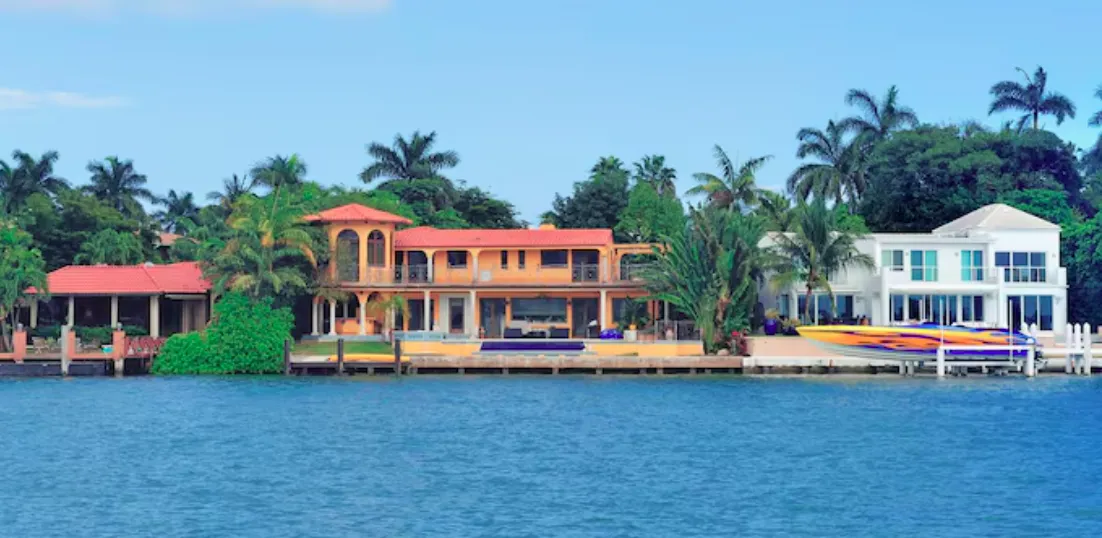
Acquiring a home by the water is a dream for many, offering a unique blend of tranquility and recreational opportunity. However, purchasing such a specialized type of real estate requires a much higher level of due diligence than a standard suburban home.
The environmental factors, legal restrictions, and maintenance requirements associated with these locations are unique and can significantly impact your long term satisfaction and investment value.
Before you commit to a specific lakefront property for sale, it is vital to look beyond the view and understand the structural and logistical realities of the site. Here are five essential factors to consider during your search for the perfect aquatic retreat.
1. Evaluate Water Quality and Shoreline Conditions
The primary draw of living by a lake is the water itself, but not all bodies of water are suitable for every activity. You must investigate the water quality to ensure it is safe for swimming and compatible with local wildlife.
Additionally, observe the shoreline conditions for signs of erosion or excessive weed growth, which can hinder boat access and diminish aesthetic appeal.
When you find a lake front property for sale, check if the water level remains consistent throughout the year or if it fluctuates significantly with the seasons, as this can affect your ability to use a dock.
2. Understand Ownership Rights and Setback Regulations
Ownership of land near the water often comes with complex legal nuances known as riparian rights. These rights determine what you can and cannot do with the area between your house and the water’s edge.
It is crucial to verify if you actually own the land right up to the water or if there is a public easement or crown land in between. Furthermore, check the local setback regulations, which dictate how far a structure must be built from the shoreline.
Understanding these rules is essential before purchasing a lakefront property to ensure your future renovation plans are legally feasible.
3. Assess the Condition of Existing Marine Structures
Docks, boathouses, and retaining walls are expensive to build and maintain. If the property already includes these features, have them inspected by a professional who specializes in marine construction.
Wood rot, rusted hardware, or shifting foundations in a seawall can lead to massive repair bills shortly after closing. If the site lacks these structures, research the permitting process required to install them.
Finding a lakefront property with pre-approved or well-maintained docks can save you thousands of dollars and months of bureaucratic hurdles.
4. Consider the Orientation and Natural Light
The direction the house faces will dictate your daily experience of the landscape. A west facing home will provide spectacular sunsets but may result in intense afternoon heat that requires extra cooling.
Conversely, an east facing property offers beautiful sunrises and cooler afternoons, which might be preferable for outdoor entertaining.
Consider how the natural light interacts with the home’s interior and how the prevailing winds might affect your enjoyment of the deck or patio. Orientation is a permanent feature that significantly influences the atmosphere of the residence.
5. Account for Specialized Insurance and Maintenance Costs
Living in close proximity to water exposes a building to higher humidity, stronger winds, and potential flood risks. Consequently, insurance premiums for these homes are typically higher than inland properties.
You should obtain an insurance quote early in the process to ensure the costs fit within your budget. Additionally, the exterior materials of the home will require more frequent maintenance to prevent moisture damage and wood rot.
Being realistic about these ongoing financial commitments is a key part of choosing the right lakefront property for your lifestyle.