
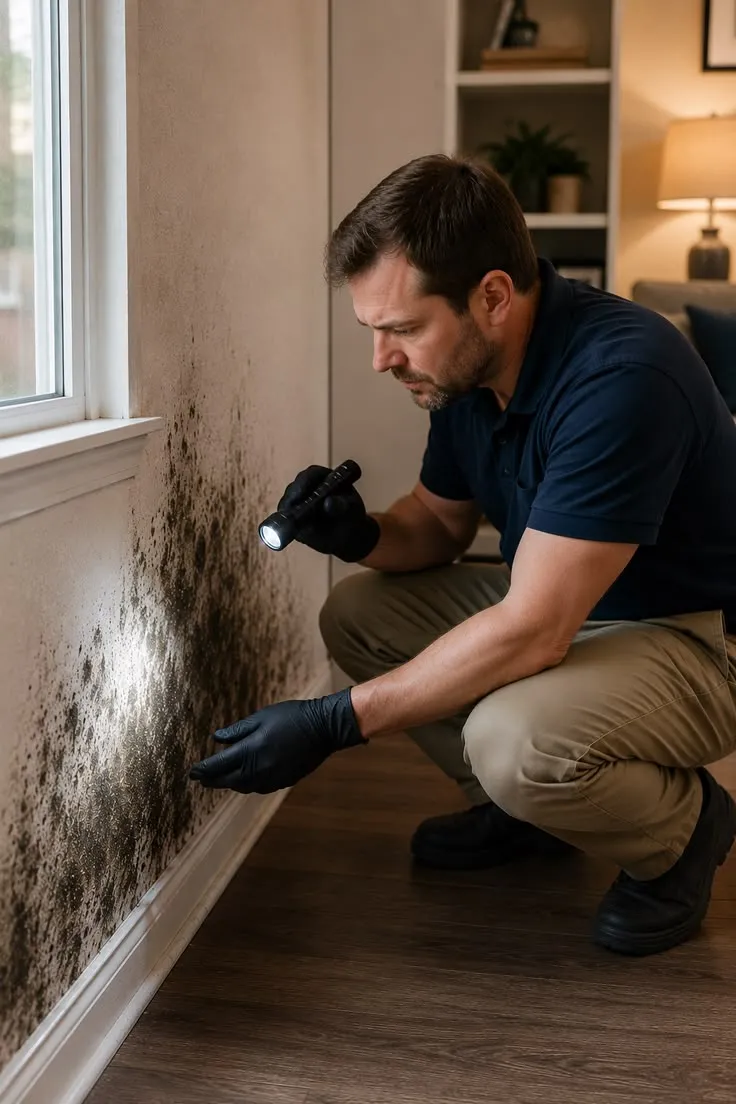
The end of remediation work does not always mean the end of a tenant’s questions. Walls may be repaired, damaged materials removed, and the visible condition improved, but tenants may still want to know what work was completed and whether the original moisture source was addressed. Someone considering a black mold attorney should avoid judging the success of remediation by color or appearance alone. The more useful approach is to keep records of the work, observe whether dampness returns, and separate building-condition questions from medical or legal conclusions.
Keep the Repair and Remediation Records
Save work orders, invoices or summaries provided to the tenant, notices of entry, inspection reports, and relevant emails. If a contractor explains what materials were removed or which leak was repaired, written documentation is preferable to relying only on memory.
Tenants may not receive every contractor document automatically, so what is available will vary.
Photograph the Finished Area
Take new photographs after the work is complete. These images create a reference point for the repaired condition.
If staining, bubbling paint, or visible growth later reappears, new photographs can be compared with the post-repair baseline.
Watch for Moisture, Not Just Visible Mold
California public-health guidance emphasizes moisture control as central to preventing mold recurrence. Signs such as leaks, water staining, condensation, warped materials, or musty odors can matter even before obvious growth appears.
If those conditions return, report them promptly and document the new date.
Do Not Assume “Black” Means More Dangerous
Dark-coloured growth can be alarming, but color alone does not establish species or health risk. Photographs are useful for documenting appearance, not diagnosing what organism is present.
Health concerns should be discussed with qualified medical professionals rather than inferred from color.
Keep the Original Timeline
Do not discard earlier maintenance requests simply because repairs were completed. A mold claim lawyer reviewing a specific matter may need to understand the full chronology from first notice through remediation and any later recurrence.
A short timeline can include the initial observation, notices, inspections, repair dates, remediation, and subsequent developments.
Record Any Property Cleaning or Replacement
Belongings affected before remediation may still require cleaning, storage, or replacement. Keep receipts and photographs where relevant.
Separate these costs from ordinary household purchases so the records remain understandable.
Understand the Limits of Post-Remediation Testing
Testing may be recommended in some circumstances, but it should answer a defined question and be interpreted appropriately. A single result does not necessarily describe every hidden area of a building or prove a medical outcome.
If testing is performed, keep the full report and sampling information.
Know the Role of Local Code Enforcement
If qualifying dampness or visible mold persists and the property owner does not address the issue, California public-health guidance directs renters toward local code-enforcement agencies for housing-code concerns.
That process is distinct from private legal claims or medical evaluation.
Continue Normal Ventilation and Housekeeping
Tenants can follow ordinary ventilation and housekeeping practices appropriate for the home, but they should not be expected to solve structural leaks or building defects through cleaning alone.
If moisture appears to originate from the building, report it rather than repeatedly treating the surface without addressing the source.
Avoid Demanding Instant Certainty
It may take time to see whether a repair actually prevented recurrence. That can be frustrating, but monitoring does not require assuming failure before new evidence appears.
Keep observations factual and dated.
Seek Specific Advice for Specific Decisions
Questions about withholding rent, ending a lease, seeking damages, or taking other legal action are fact-specific and should not be decided from a general online checklist.
Likewise, medical symptoms require healthcare evaluation.
Conclusion
After mold remediation, the most useful next step is organized observation. Tenants can keep repair records, photograph the finished area, watch for renewed moisture, preserve the original timeline, and document any continuing property losses.
A clean-looking wall is encouraging, but the long-term question is whether the moisture condition was actually corrected. If dampness or visible growth returns, a clear post-remediation record can help explain what changed and when. Keeping building, health, property, and legal questions in their proper categories makes it easier to decide which professional or agency should address each concern.