

Key Takeaways
- An unused underground oil tank can affect inspections, insurance discussions, financing, and buyer confidence.
- Property records, old heating documents, permits, and visible clues can help establish whether a tank may be present.
- Removal, abandonment in place, and continued use are different paths that depend on tank condition, access, and local requirements.
- Potential petroleum releases should be addressed promptly because they can affect soil, groundwater, surface water, or indoor air.
- Clear reports, permits, photographs, and receipts can reduce confusion later.
In Wesley Hills and throughout Rockland County, an older home may have a heating history that is not obvious from the current furnace or utility bills. A capped pipe, an old fuel line, or incomplete records can raise questions before a sale, refinance, renovation, or purchase. For property owners researching oil tank removal Wesley Hills, NY, Tank Masters Environmental Inc. provides local information on residential tank removal in Wesley Hills, as well as tank abandonment, installation, and soil and groundwater remediation. Its service area includes Rockland County and surrounding Hudson Valley communities, making it a relevant resource when an old heating-oil tank needs professional evaluation. An underground tank does not automatically mean contamination is present or that a transaction cannot move forward. The greater challenge is often uncertainty. Early research, a qualified site review, and organized documentation can give homeowners time to make sound decisions rather than reacting to a surprise during buyer due diligence.
Why Old Oil Tanks Matter During a Home Sale
Buyers, inspectors, lenders, insurers, and attorneys may ask about a former heating-oil tank because its status can affect property disclosures and project planning. A documented tank that was professionally removed or formally closed is generally easier to explain than an unknown feature in the yard. For example, finding a capped fill pipe one week before closing can force a seller to pause, investigate records, and determine whether further work is needed. The best response is fact-finding, not panic.
Signs a Property May Have an Underground Tank
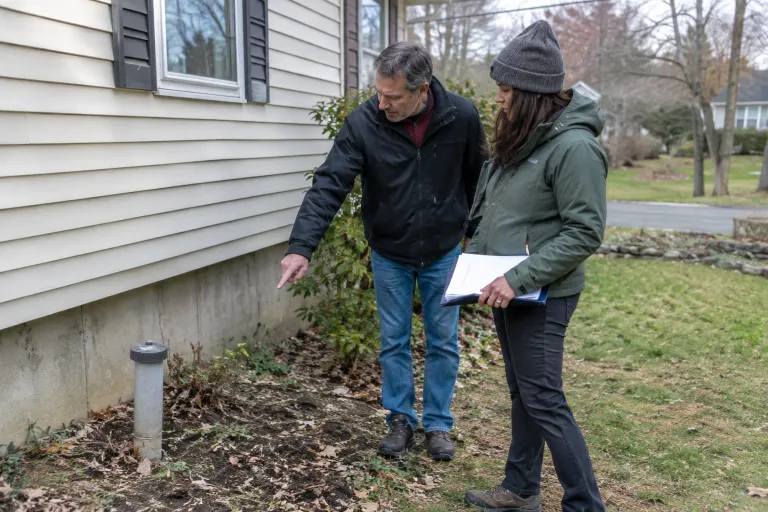
No single clue proves a tank is present. Still, homeowners should note a capped pipe near the foundation, an old vent pipe, a former oil-fired boiler, an unused fuel line, patched driveway or landscaping areas, unusual ground depressions, or historic fuel delivery records. Do not dig, cut pipes, pump suspected equipment, or disturb soil without professional guidance.
Records and Property History to Check
Begin with the seller disclosure, prior inspection reports, old closing files, and permits related to heating-system changes. Ask whether the property converted from oil to gas, electric, propane, or another fuel. Former owners, neighbors, property managers, and fuel suppliers may also know useful history. Look for removal certificates, disposal receipts, soil reports, photographs, invoices, and municipal sign-offs. Missing paperwork does not prove a tank remains, but it does justify further investigation.
When to Arrange an Inspection
An inspection may be appropriate before listing, after discovering a pipe or old fuel line, during a purchase, or before excavation for an addition, patio, driveway, or utility project. A visual review, tank-locating survey, and environmental sampling are different services with different purposes. Ask for a written scope that identifies what will be evaluated, what access is needed, how findings will be documented, and whether the final report will include photographs. Because residential heating-oil tanks are handled under state and local requirements rather than the federal underground-storage-tank framework, homeowners should confirm the applicable rules before work begins. The environmental effects of petroleum releases can include impacts to soil, water, and indoor air, which is why an unexplained odor, stained soil, or visible product deserves prompt attention.
Removal, Abandonment, or Continued Use
Removal
Removal typically involves excavation, taking the tank out of service, proper disposal, and, when required, evaluation of the surrounding area. It may be considered for an aging, unused, damaged, poorly documented, or inconveniently located tank.
Abandonment in Place
Some locations may allow a tank to be cleaned, filled, and left in place. Availability depends on local rules, site access, tank condition, and any environmental findings. Formal records are especially important if this option is used.
Continued Use
An active tank may require ongoing maintenance, inspection, monitoring, or eventual replacement. Homeowners should also discuss active tank requirements with their insurer and fuel supplier.
If Soil Contamination Is Found
If staining, odor, free product, or another concern is present, the next step is usually to determine the source and extent of the release. Depending on site conditions, a qualified environmental professional may recommend soil sampling, removal of affected material, groundwater evaluation, vapor assessment, or monitoring. Do not spread, reuse, or haul potentially affected soil without direction. New York’s petroleum spill response guidance explains that reporting obligations may apply upon discovery of a release.
Choosing the Right Professionals
Compare providers based on relevant residential experience and a clear plan for the property. Ask whether they handle removal, abandonment, sampling, disposal, permits, and reporting directly or coordinate with other specialists. Confirm insurance coverage, request an itemized estimate, and ask what may change the price, such as difficult access, unexpected tank contents, stained soil, groundwater, utility conflicts, or restoration work. A useful completion package should include written findings and photographs.
Documents to Keep
Maintain a paper and digital property file with inspection reports, locating results, permits, municipal approvals, removal or closure records, laboratory reports, disposal receipts, invoices, contracts, warranties, insurance correspondence, and before-and-after photographs. These records can help answer later questions from buyers, inspectors, insurers, attorneys, and local officials.
A Practical Pre-Listing Timeline
Six to Twelve Months Before Listing
- Review heating history, property documents, and visible clues.
- Contact local offices to ask whether records may be available.
Two to Six Months Before Listing
- Arrange a qualified review if the tank status is uncertain.
- Discuss options, permits, documentation, insurance, and disclosure needs.
Before Photos and Showings
- Complete agreed-upon work and collect final records.
- Prepare accurate disclosures and repair disturbed areas when appropriate.
Final Checklist
- Confirm whether the home ever used oil heat.
- Check for pipes, old equipment, permits, and removal records.
- Arrange professional help if the tank status remains unclear.
- Keep every report, receipt, photograph, and approval.
- Discuss findings with the appropriate real estate, insurance, and environmental professionals.
An old underground oil tank is a property issue that calls for facts rather than fear. Starting early gives Wesley Hills homeowners more choices, supports accurate disclosures, and can help prevent avoidable delays during a sale or renovation.