
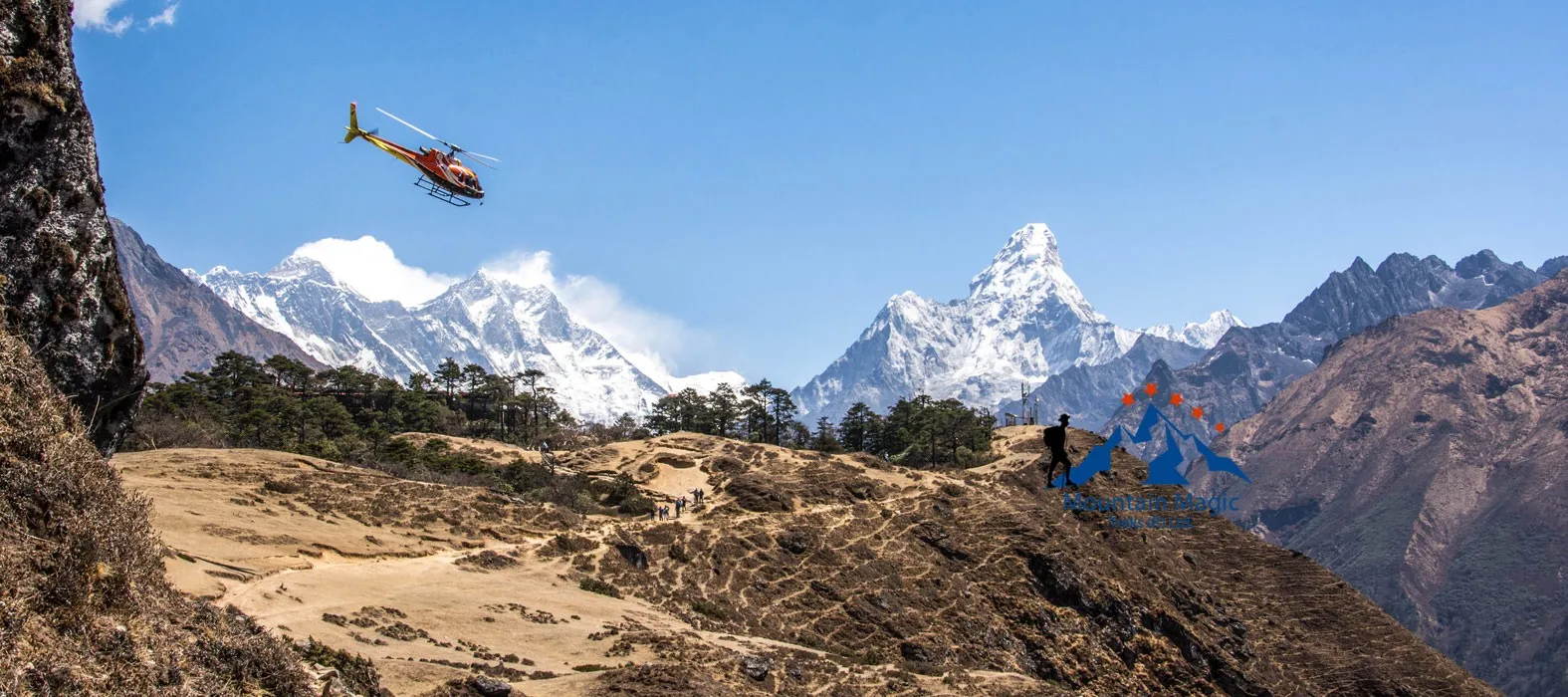
Many people hear about the Everest Base Camp route and imagine that reaching the destination means climbing Mount Everest. These are two very different activities. One is a high-altitude trekking journey through the Khumbu region, while the other is a technical mountaineering expedition that aims to reach the mountain’s summit.
The Everest Base Camp Trek with Helicopter Return takes travelers to the famous base camp area and Kala Patthar before returning to Kathmandu by helicopter. It offers close views of the world’s highest mountain without requiring participants to climb to its summit.
Understanding this difference helps travelers set realistic expectations and choose the right adventure.
What Does the Everest Base Camp Trek Actually Involve?
The Everest Base Camp trek follows established walking trails through villages, forests, river valleys, and high mountain settlements. Trekkers gradually gain elevation as they travel from Lukla toward the upper Khumbu region.
The route passes several important destinations:
-
Lukla, the starting point of the walking journey
-
Phakding, a village beside the Dudh Koshi River
-
Namche Bazaar, an important acclimatization stop
-
Tengboche, home to a well-known Buddhist monastery
-
Dingboche, another key stop for altitude adjustment
-
Lobuche, the final major settlement before Gorakshep
-
Gorakshep, the last overnight settlement on the route
From Gorakshep, trekkers walk toward Everest Base Camp and may also visit Kala Patthar for a wider mountain panorama.
Reaching Base Camp Is Not Reaching the Summit
Everest Base Camp sits at approximately 5,364 meters. It is used by mountaineering teams preparing for their summit attempts. However, it is not the top of Mount Everest.
The summit stands at 8,848.86 meters. Reaching it requires a completely different level of preparation, technical equipment, expedition support, and mountaineering experience.
How Mount Everest Climbing Differs from Trekking
Climbing Mount Everest is a demanding expedition that involves technical sections, extreme weather, serious altitude exposure, and specialized mountaineering skills.
A standard trek does not require climbers to cross the mountain’s dangerous upper routes or use climbing equipment for a summit attempt.
|
Everest Base Camp Trek |
Mount Everest Climb |
|
Follows established trekking trails |
Uses technical climbing routes |
|
Reaches Everest Base Camp |
Aims to reach the summit |
|
Uses trekking footwear and equipment |
Requires specialized mountaineering gear |
|
Usually takes days rather than weeks of expedition preparation |
Requires extensive expedition planning |
|
Does not require summit-climbing skills |
Requires advanced mountaineering preparation |
Both activities involve high altitude, but their risks and physical demands are not the same.
Why Kala Patthar Is an Important Part of the Trek
Kala Patthar is one of the most recognized viewpoints in the Everest region. It rises to approximately 5,545 meters and provides an excellent view of Mount Everest and nearby peaks.
Unlike the summit route, reaching Kala Patthar involves a steep high-altitude walk rather than a technical climbing expedition. The ascent can still be physically demanding because the air contains less available oxygen at this elevation.
What Trekkers Can See from Kala Patthar
Depending on weather and visibility, the viewpoint offers views of:
-
Mount Everest
-
Nuptse
-
Lhotse
-
Pumori
-
The surrounding Khumbu landscape
For many visitors, this viewpoint provides one of the clearest opportunities to appreciate Everest’s scale and position within the Himalayan range.
Why the Helicopter Return Makes This Itinerary Different
The Everest Base Camp Trek with Helicopter Return combines a traditional walking route with helicopter transportation for the return journey.
Instead of retracing the entire trail on foot, travelers board a helicopter from the Gorakshep area and fly back toward Kathmandu, subject to weather, aircraft performance, and operational conditions.
This arrangement changes the structure of the journey in several ways:
-
The return route does not require the same long walking journey back to Lukla.
-
Travelers can experience the Khumbu landscape from the air.
-
The itinerary can fit the major trekking destinations into a shorter schedule.
-
Helicopter operations require careful coordination at high altitude.
The helicopter is a transport service, not a substitute for acclimatization or a guarantee against altitude-related problems. Travelers still need to follow the planned walking schedule and their guide’s safety advice.
Who Should Choose the Trek Instead of a Summit Expedition?
The trekking option may suit people who want to experience the Everest region without taking on the demands of a summit climb.
It can be appropriate for travelers who:
-
Want to walk to Everest Base Camp.
-
Want views of Mount Everest and surrounding peaks.
-
Prefer established trekking trails over technical climbing routes.
-
Have prepared for several days of high-altitude walking.
-
Want a return journey that includes helicopter transportation.
However, the trek should not be treated as an easy holiday. Walking above 5,000 meters requires careful attention to health, weather, and physical condition. Previous trekking experience can help, but it does not guarantee that someone will adjust well to altitude.
Understanding the Trek’s Main Safety Limits
A common mistake is assuming that because the route is a trek rather than a summit expedition, it carries little risk. That assumption is incorrect.
High altitude can affect people differently. Headaches, nausea, dizziness, unusual tiredness, and changes in breathing can be signs of altitude-related illness. Severe symptoms require immediate attention and a proper medical response.
The itinerary includes acclimatization stops at Namche Bazaar and Dingboche. These stops help the body adjust gradually, but they do not remove all risk.
Travelers should also have suitable travel insurance that covers high-altitude trekking and emergency helicopter evacuation. A scheduled helicopter return and an emergency medical evacuation are different services, so the policy should clearly explain what is covered.
What the 10-Day Itinerary Offers
The package is designed around a 10-day journey beginning and ending in Kathmandu. It connects the main Khumbu settlements with Everest Base Camp and the Kala Patthar viewpoint.
The journey generally follows this sequence:
-
Arrive in Kathmandu and complete the initial arrangements.
-
Fly by helicopter from Kathmandu to Lukla, subject to operating conditions.
-
Walk through Phakding and continue toward Namche Bazaar.
-
Continue through Tengboche toward Dingboche.
-
Follow the upper trail through Lobuche to Gorakshep.
-
Walk to Everest Base Camp and visit Kala Patthar according to the itinerary.
-
Return toward Kathmandu by helicopter from the Gorakshep area, subject to weather and flight operations.
The exact daily schedule should be checked against the confirmed package itinerary before booking. Mountain weather can affect flight arrangements, so travelers should keep flexibility in their wider international travel plans.
Final Thoughts
Reaching Everest Base Camp and climbing Mount Everest are not the same achievement. The trek takes visitors into the heart of the Khumbu region, where they can experience high-altitude villages, glaciers, mountain views, and the famous base camp area without attempting a technical summit climb.
The Everest Base Camp Trek with Helicopter Return offers a distinct way to complete this journey by combining established trekking trails with a helicopter return from the upper Khumbu region. Knowing what the itinerary includes, what it does not include, and what risks remain allows travelers to make a more informed decision.
The goal is not to claim a summit that was never attempted. It is to experience the Everest region through a demanding but rewarding trekking journey.
Frequently Asked Questions
1. Does the Everest Base Camp trek reach the top of Mount Everest?
No. The trek reaches Everest Base Camp, which is far below the summit. Climbing to the summit requires a separate technical mountaineering expedition.
2. How high is Everest Base Camp?
Everest Base Camp is approximately 5,364 meters above sea level. The elevation can vary slightly depending on the exact location and seasonal movement of the glacier.
3. Is Kala Patthar part of the trekking route?
Yes. Kala Patthar is a major viewpoint commonly included in Everest trekking itineraries. It provides wide views of Mount Everest and surrounding peaks.
4. Do trekkers need mountaineering experience?
Technical summit-climbing experience is not required for the standard trekking route. However, travelers should be prepared for long walks, steep sections, and high-altitude conditions.
5. Is the helicopter return guaranteed?
No. Helicopter operations depend on weather, visibility, aircraft performance, and other operational factors. Delays or changes may occur, so travelers should confirm the operator’s arrangements before departure.